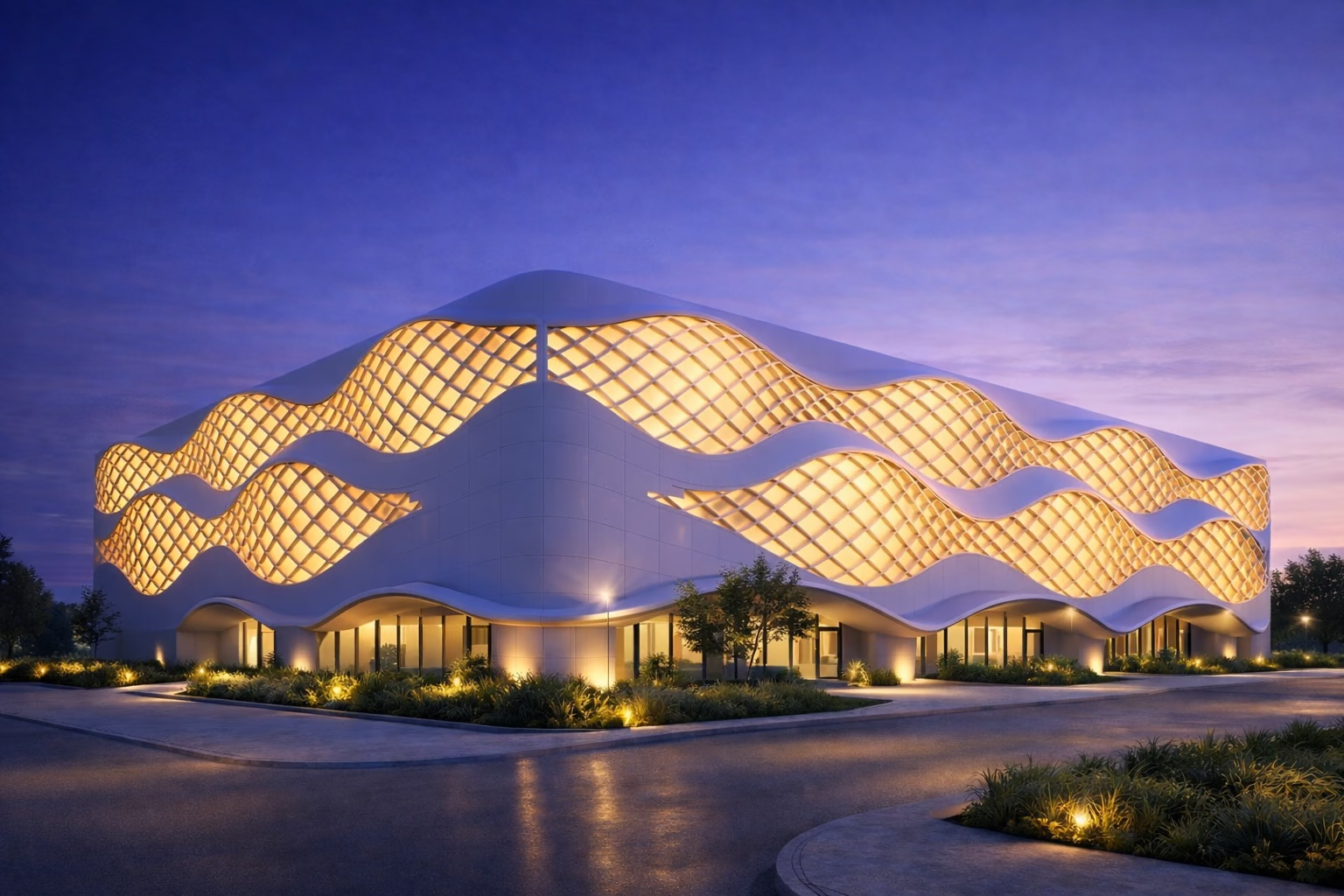
Every time I see an all-glass office building in India, my heart sinks a bit. In a warm country like ours, an all-glass building is an anathema.
And when the inside gets too hot, the answer is often to double down on the glazing, hoping better glass might help, all the while adding to the heat load of the building. Drive through any business district and you see the result: rows upon rows of glass-box buildings.
In short: an all-glass building takes in heat that it then pays to remove, does little for the people inside and costs a great deal to maintain. A building that works in India is shaped by the sun and the breeze. It uses daylight, shades each face according to its direction, lets air move through and is built from materials that suit the climate.
Why All-Glass Buildings Don’t Work in India
All-glass buildings do little or nothing to improve occupant health, yet they remain exorbitantly expensive to maintain.
Glass is a beautiful building material, no doubt about it. But an all-glass building is not only an architectural compromise; it is the antithesis of what we know about thermal comfort.
Glass leads to excess heat gain. When it is made reflective, it raises the temperature of the surroundings as well.
The Cost of Uncontrolled Glazing
A glass box pays for its glazing in more ways than one:
- Excessive solar heat gain
- Higher cooling loads
- Radiant thermal discomfort
- Inadequate thermal insulation
- Uneven indoor temperatures
- Glare and discomfort for the people inside
The problem does not stop at the building line. Glass and reflective façades redirect solar radiation towards neighbouring spaces and add to the urban heat island.
An all-glass building also fails to respond to its orientation and the sun path, and that is a serious flaw in its design. Extensive glazing without proper solar protection becomes an expensive thermal liability.
Daylight as a Design Element
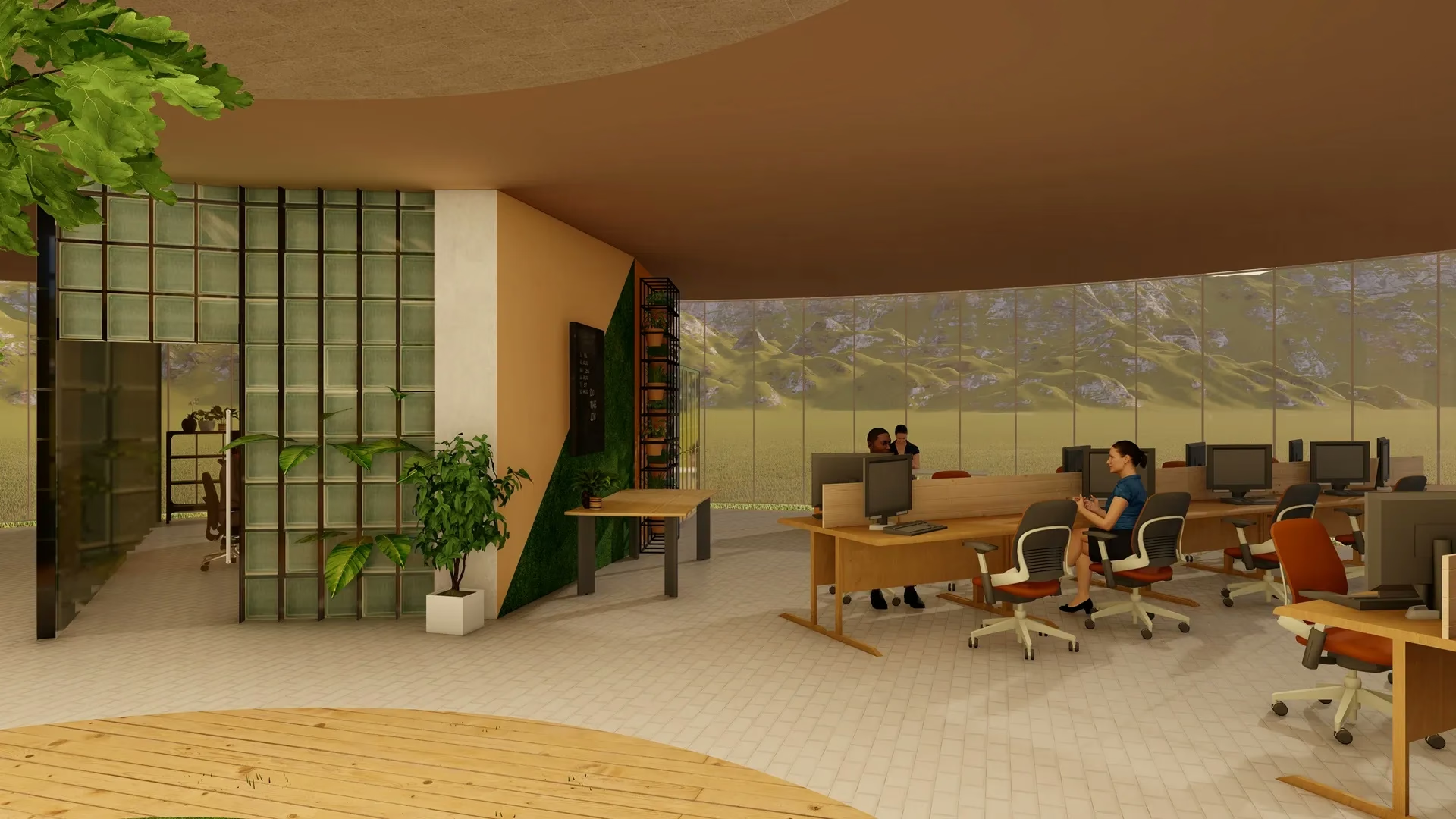
At the studio, daylight optimisation is part of our natural design language. In every home and office we design, you should not have to rely on artificial lighting from 6 AM to 6 PM.
We get so much sun in our part of the world. It is a sacrilege to depend on artificial lighting during the day, at home or at work.
We look at daylight as a material in its own right. We shape it, diffuse it and direct it in the same fluid way we work with glass, concrete or wood.
Solar Shading: Design for Direction, Not Decoration
When we design for direction and not for decoration, thermal comfort comes easily. Each face of a building sees a different sun, so each face gets its own answer, and we arrive at the shading through studies of the sun path.
South
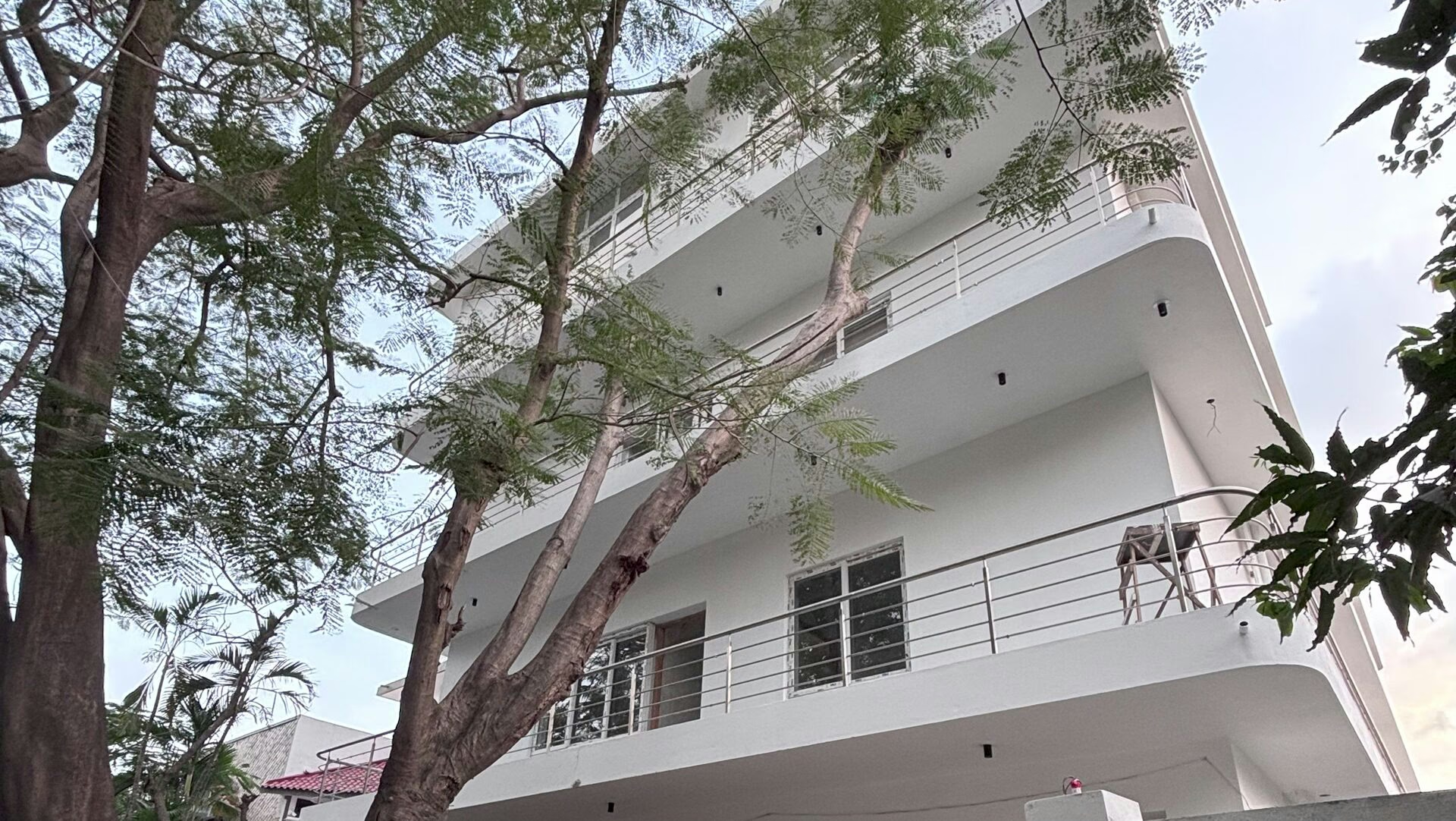
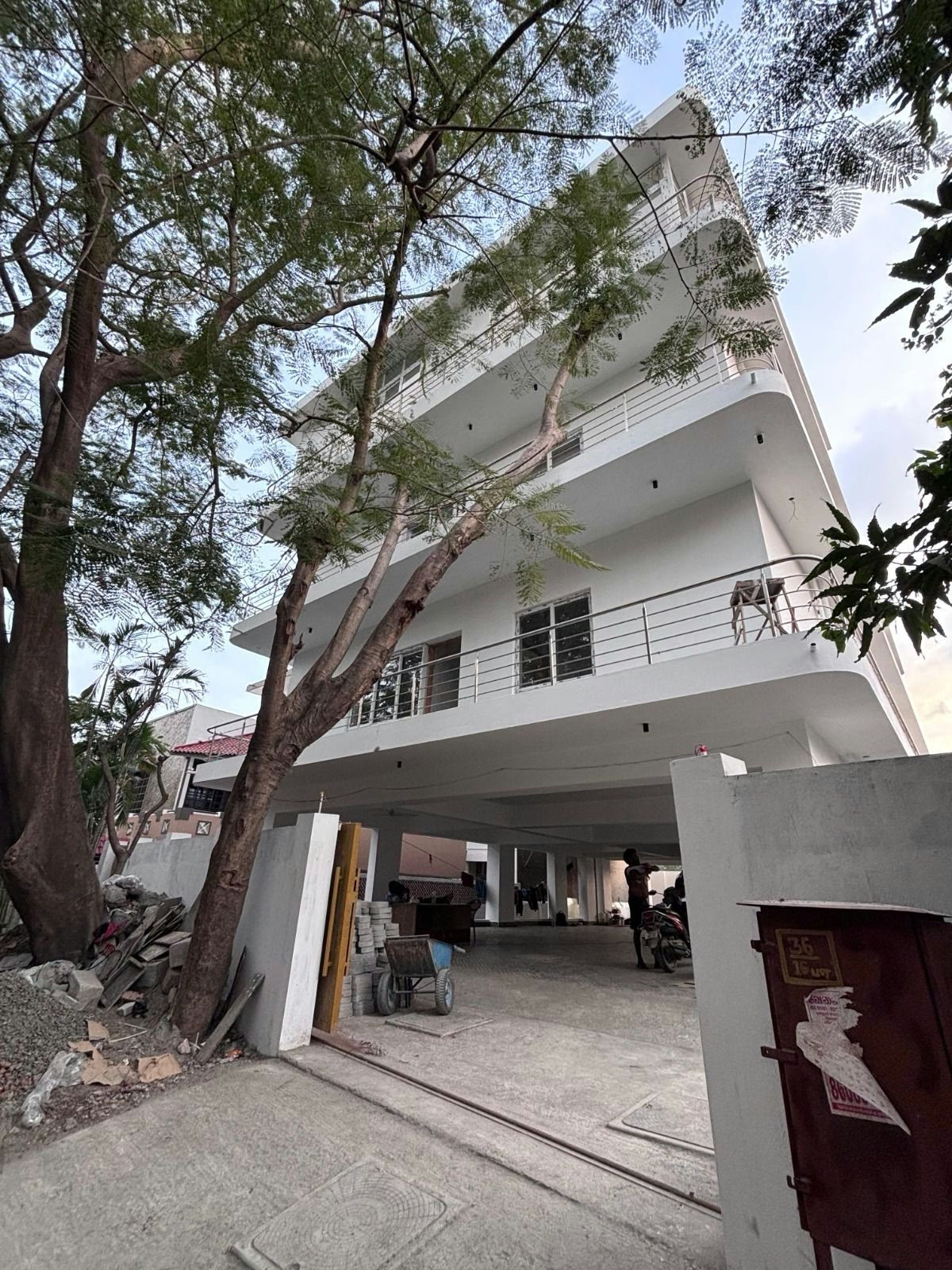
Horizontal overhangs, cantilevers and balconies intercept and redirect the higher-angle sunlight.
Deep horizontal projections, like the curved balconies on our ABS Marine Services headquarters in Chetpet, shade the windows below them.
North
The north face receives diffused daylight, and we design it to take full advantage of that soft, even light.
East and West
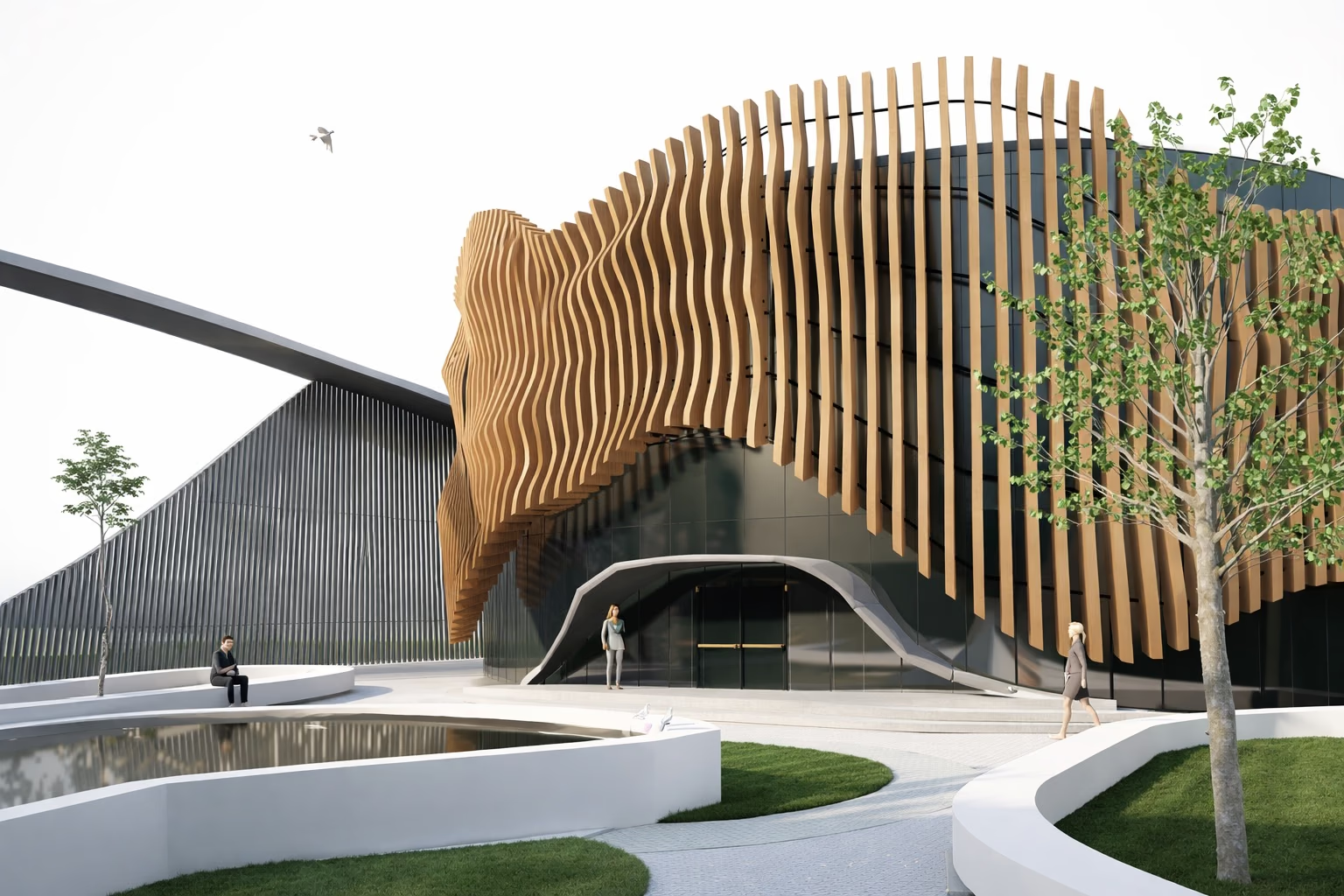
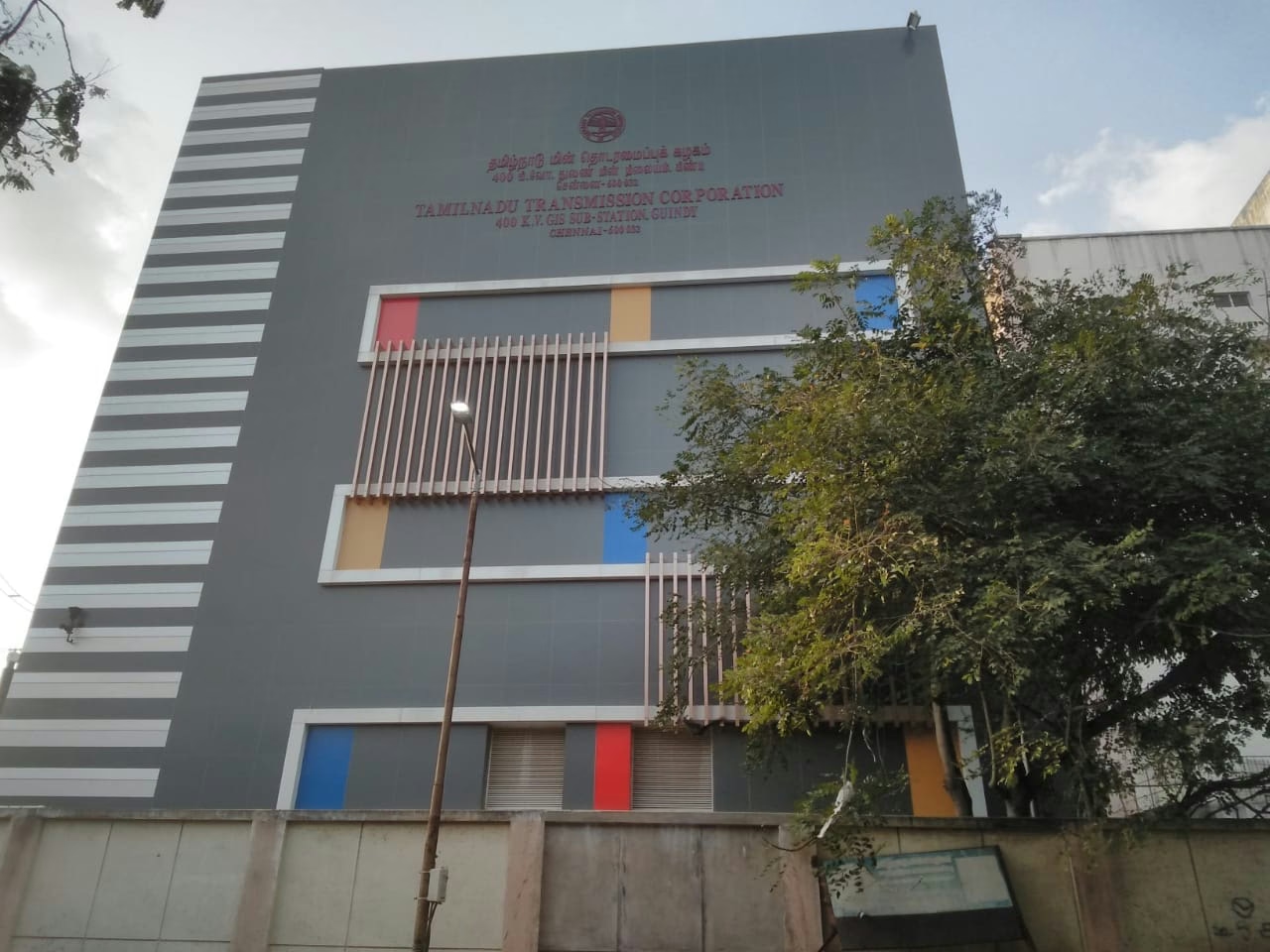
The east and west faces get low-angle sunlight, which slips under a horizontal overhang. Here we use vertical fins, perforated screens and recessed windows.
The west is the harder of the two. The western side receives strong sun after the building has already accumulated heat during the day, so it is more challenging than the morning sun on the east.
Let the Building Breathe
Sealed façades offer no way for natural ventilation. The building then depends on mechanical ventilation even when natural breezes are available.
There must be a mix of spaces, some naturally ventilated and some mechanically ventilated. Transparent façades are not necessarily the most sustainable.
What we need are not all-glass buildings but intelligent buildings: buildings that respond to the sun path and airflow, and interact intelligently with their environment.
Mindful Materiality
Choosing materials based on climatic conditions, regional influences and local availability is crucial to a sustainable built form. We rely on materials that offer the best insulation against the thermal conditions of the region.
Where You Can See This in Our Work
Three of our concepts put these ideas into practice:
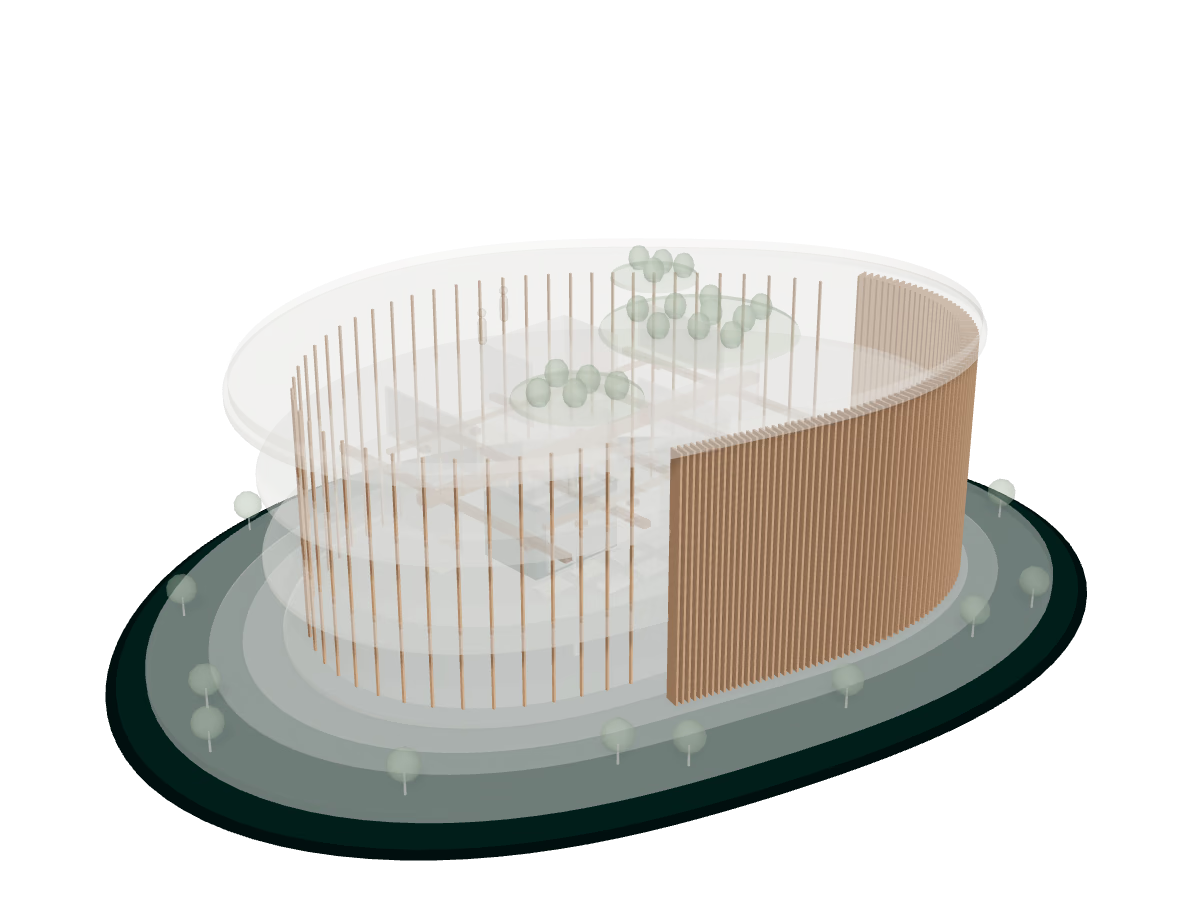
- Dahlia: controlled apertures based on the sun path, in a biomimicked façade.
- L&T Solar Factory: a solar factory with green walls.
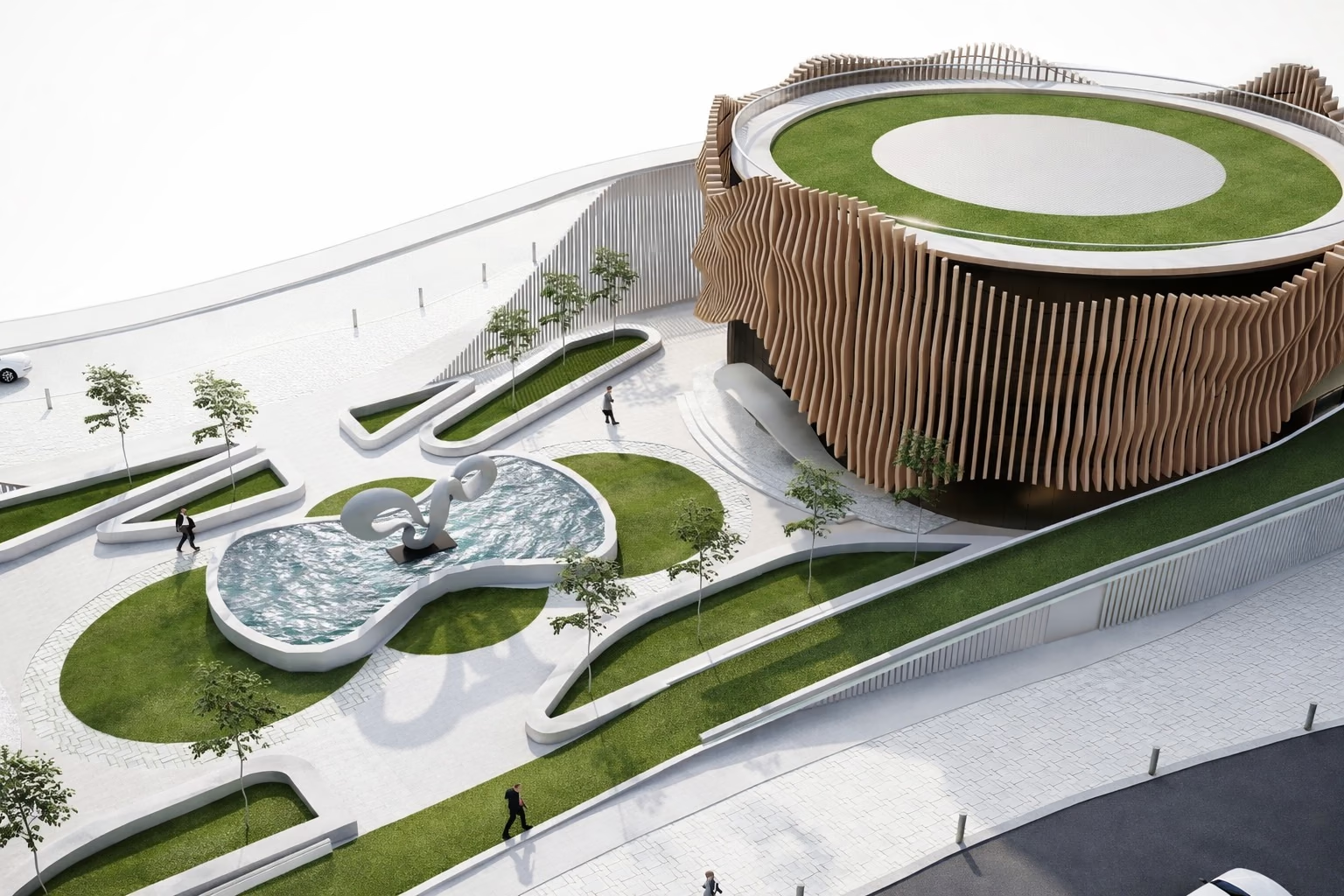
- Urban Centre of Excellence: adjustable vertical fins.
We walk through each of them in Sustainable Façades in Practice. For how a geometric façade does the shading in detail, read Climatic Interventions Through a Geometric Façade, or see our office façade and elevation design service.
Frequently Asked Questions
Why are all-glass buildings a bad idea in India?
Glass leads to excess heat gain, and when it is made reflective it raises the temperature of the surroundings as well. An all-glass building has higher cooling loads, glare and uneven indoor temperatures, does little for occupant health and is expensive to maintain.
Does reflective glass solve the heat problem?
No. Reflective glass redirects solar radiation towards neighbouring spaces and adds to the urban heat island. Extensive glazing without proper solar protection remains an expensive thermal liability.
How should each side of a building be shaded in India?
On the south, horizontal overhangs, cantilevers and balconies intercept the higher-angle sun. The north takes in diffused daylight. On the east and west, vertical fins, perforated screens and recessed windows deal with low-angle sun. The west is the hardest face, because it gets strong sun after the building has already gathered heat during the day. The shading is worked out through studies of the sun path.
Can an office run on daylight during working hours?
In the homes and offices we design, you should not have to rely on artificial lighting from 6 AM to 6 PM. We treat daylight as a material, and shape, diffuse and direct it.
Should office buildings be naturally ventilated?
A building needs a mix of naturally ventilated and mechanically ventilated spaces. Sealed façades offer no way for natural ventilation, so the building runs on mechanical ventilation even when there is a breeze outside.
Do you design sustainable façades outside Chennai?
Yes. The studio is in Nungambakkam, Chennai, and we take up projects anywhere in India.